
Aesthetic Medicine
Dermal Fillers in San Francisco
Dermal fillers in San Francisco's West Portal, led by Andrew Vargas, MD. Juvéderm and Restylane for cheeks, lips, folds, chin, and jawline — plus exactly what to do before and after.
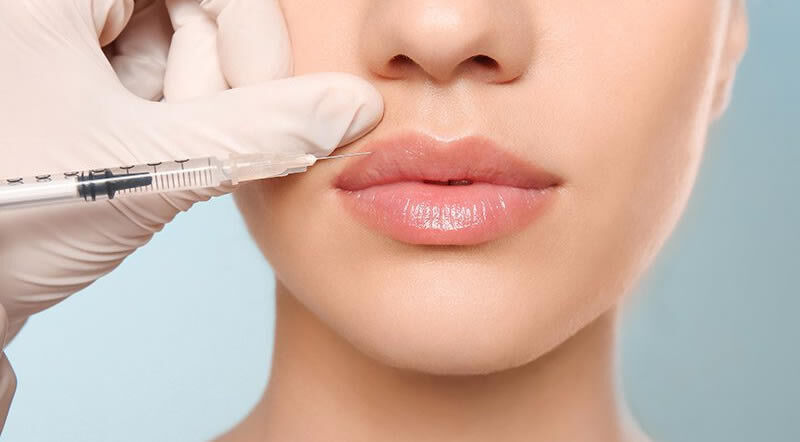
Ivy en Rose is a physician-led medical clinic in West Portal. Filler treatment plans are set by our Medical Director, Andrew Vargas, MD, who injects patients himself and supervises our nurse injectors on site.
What Are Dermal Fillers?
Dermal fillers are injectable gels that add volume back to areas of the face that have lost it. Here is the simple version. As you get older, you lose fat, collagen, and some bone under the skin. The cheeks flatten. The area beside the mouth hollows slightly. Skin that used to be held up from underneath starts to fold and settle. Fillers replace that missing support, so the skin sits where it used to. Filler is placed under the skin with a fine needle or a blunt-tipped cannula. You see the change right away, and it softens further over the next week or two as swelling settles.
The technical version, in one paragraph
Most modern fillers are made of hyaluronic acid, a sugar molecule your body already produces and uses to hold water in the skin. Manufacturers cross-link it into a gel with a particular thickness and lift, then match that gel to a job: a firm gel for cheek support, a soft one for lips. Because the body eventually breaks hyaluronic acid down, the result is temporary. It is also reversible: an enzyme called hyaluronidase dissolves hyaluronic acid filler if it ever needs to be removed.
Filler vs. Botox — they do different jobs
- Filler adds volume. It treats hollows and folds caused by lost volume: flat cheeks, deep smile lines, thin lips, a weak chin.
- Botox relaxes muscles. It treats lines caused by movement: frown lines, forehead lines, crow’s feet.
Many patients use both. Which one you need depends on whether the thing bothering you shows up when your face moves or when it is completely at rest.
What Fillers Treat
| Area | What it does | Typical duration |
|---|---|---|
| Cheeks | Restores midface volume and lifts the area around the mouth | 12–24 months |
| Nasolabial folds | Softens the lines from the nose to the corners of the mouth | 9–18 months |
| Marionette lines | Softens the lines from the mouth corners toward the chin | 9–18 months |
| Lips | Adds volume, definition, or balance between upper and lower lip | 6–12 months |
| Chin | Projects and balances a recessed or short chin | 12–18 months |
| Jawline | Sharpens definition along the jaw | 12–18 months |
Duration varies by person. Filler placed where the face moves constantly, such as the lips, breaks down faster than filler placed on bone, such as the cheek or chin.
The products we use
We carry the Juvéderm and Restylane families of hyaluronic acid fillers. Each family includes several gels of different thickness, and the right one depends on where it is going. A firm gel that works beautifully on a cheekbone is the wrong choice for a lip. Dr. Vargas will tell you which product he is using and why. We do not treat the under-eye area.
Why Patients Choose Ivy en Rose for Filler
Filler treatment plans are set by our Medical Director, Andrew Vargas, MD. He injects patients himself, and our registered nurses and registered nurses inject under his on-site supervision. Product is sourced through authorized channels and every treatment is documented in a medical chart. We keep hyaluronidase on site, which is the enzyme used to dissolve hyaluronic acid filler if a result needs correcting or in the rare event of a complication. A follow-up visit is included so we can review your result once the swelling has settled.
What Happens at Your Appointment
- Consultation (about 15 minutes): You tell us what bothers you. Dr. Vargas reviews your health history and medications, looks at your face at rest and in motion, and explains which areas would actually make a difference. You get a written plan and the products he intends to use.
- Photos: We take standardized before photos so you can compare later.
- Numbing (15 to 20 minutes): Topical numbing cream is applied. Most fillers also contain lidocaine, so the area gets more comfortable as the treatment goes on. For lips we can also use a dental block.
- Injections (15 to 30 minutes): Filler is placed with a fine needle or a blunt cannula, depending on the area. You may feel pressure. We stop and check your face in the mirror as we go.
- Aftercare (about 5 minutes): We ice the area, go over your instructions, hand you a printed copy with our after-hours number, and book your follow-up.
- Follow-up (included): We review your result once swelling has settled and add a small amount if the area needs it.
Total time is usually 45 to 75 minutes for a first visit. There is no anesthesia and you can drive yourself home.
Before Your Filler Appointment
Filler bruises more than Botox does, because the needle goes deeper and the areas treated have more blood vessels. Most of what you can do to avoid that happens before your appointment.
Two weeks before
- Leave room in your calendar. Book at least four weeks before a wedding, photo shoot, or big event. Swelling and bruising need time to settle, and you want room for a follow-up.
- Skip facials, peels, waxing, microneedling, and lasers on the area for about two weeks beforehand.
- Finish any dental work first. Do not schedule filler within two weeks of a dental cleaning or procedure, before or after.
Seven days before
- Pause anything that thins the blood, if your prescribing doctor says it is safe to stop. That includes aspirin, ibuprofen and other NSAIDs, fish oil, vitamin E, ginkgo, ginseng, St. John’s wort, and high-dose turmeric. Never stop a prescribed blood thinner on your own: tell us instead and we will plan around it.
- If you bruise easily, oral arnica montana starting a few days before can help.
- If you get cold sores, tell us. Lip filler can trigger an outbreak, and we can prescribe an antiviral to start beforehand.
Twenty-four hours before
- No alcohol. It is the most common reason patients bruise.
- Go easy on salt and caffeine, both of which add to swelling.
The day of
- Eat something before you come in.
- Come with a clean face or plan to have your makeup removed.
- Bring your medication list: prescriptions, supplements, everything.
Tell us before we inject if any of these apply to you:
- You are pregnant, trying to become pregnant, or breastfeeding
- You have had filler in this area before, including anywhere else and however long ago
- You have had a bad reaction to a filler, or a known allergy to lidocaine
- You are on a blood thinner, or you have a bleeding disorder
- You have an active skin infection, cold sore, or rash near the area
- You have had recent dental work, or have any planned
- You have an autoimmune condition or have had a recent vaccination
- You have had facial surgery, threads, or permanent filler
None of these automatically rule you out. They change how we plan, which is why we ask.
After Your Filler Appointment
Filler needs a couple of days to settle into place. The first 48 hours are the ones that matter.
The first 24 to 48 hours
- Ice the area for 10 minutes at a time during the first day. Rest the pack on the skin, do not press.
- Do not massage or press on the treated area unless we specifically asked you to.
- No strenuous exercise for 24 to 48 hours.
- No alcohol for 24 hours.
- No heat. Skip saunas, steam rooms, hot tubs, hot yoga, and sunbathing.
- Sleep on your back with your head slightly elevated for the first two nights.
- Leave makeup off for the rest of the day, and be gentle when you wash your face.
- Drink water and go easy on salt: both help the swelling go down faster.
For lips specifically
- Expect noticeable swelling for two to three days. Lips always look bigger at first than they will settle to.
- Skip straws, hot drinks, and anything that makes you purse your lips for the first day.
- Hold off on lipstick and lip products for 24 hours.
The first two weeks
- No facials, massages, microneedling, chemical peels, or laser on the treated area.
- No dental work for two weeks if you can schedule around it.
- Wear sunscreen.
- Wait to judge your result. Swelling and any unevenness settle over the first one to two weeks.
- Come to your follow-up. That is when small adjustments get made.
What is normal in the first few days
- Swelling, which peaks around day two and settles over the following week
- Bruising, which is common and covers easily with makeup after 24 hours
- Tenderness or a firm feeling in the treated area
- Small lumps you can feel but not see, which usually soften within two weeks
- Mild asymmetry while the swelling is uneven
Call us at (628) 226-5605 right away if you have:
- Pain that is severe or getting worse rather than better
- Skin that turns white, dusky, blue, or mottled
- Any change in your vision
- Skin that develops blisters or open sores
- Spreading redness, warmth, pus, or a fever
- Swelling of the face, lips, or throat, hives, or difficulty breathing
These are rare, but they need to be assessed the same day. We keep hyaluronidase on site for this reason. If you have trouble breathing or a sudden change in vision, call 911.
Results and How Long They Last
- Right away: You see volume immediately, though some of what you see on day one is swelling.
- Days 2–3: Peak swelling, especially with lips. Any bruising is at its most visible.
- Days 7–14: Swelling resolves and the filler softens and integrates. This is your real result.
- Follow-up: We review the result together and add a small amount if an area needs it.
- 6 to 24 months: The filler is gradually broken down by your body. How long depends on the product, the area, and your metabolism.
Is Filler Right for You?
Filler tends to work well if you
- Have hollowing or flattening that is visible even when your face is completely still
- Want more definition in the chin, jawline, or cheekbones
- Want fuller or more balanced lips
- Are in good general health
- Understand that filler is temporary and will need maintaining
Filler may not be the right first step if you
- Are mainly bothered by lines that only appear when you make an expression; that is usually Botox
- Have significant loose skin, which filler cannot tighten
- Are pregnant or breastfeeding
- Have an active infection or an autoimmune condition that is currently flaring
- Have a bleeding disorder or take a blood thinner that cannot be paused
If filler is not what will get you the result you want, we will tell you that at your consultation.
Book Your Filler Consultation
Ivy en Rose
323 W Portal Ave, San Francisco, CA 94127 (628) 226-5605 Open Monday to Sunday, 11:00am to 6:00pm. Serving West Portal, Forest Hill, St. Francis Wood, Noe Valley, the Sunset, and the greater San Francisco Bay Area.
Frequently Asked Questions
Does filler hurt?
Less than most people expect. We apply topical numbing cream first, and nearly all the fillers we use contain lidocaine, so the area numbs further as the treatment goes on. You will feel pressure. Lips are the most sensitive area, and we can use a dental block for those if you want one.
Who will actually inject me — a doctor or a nurse?
Andrew Vargas, MD, our Medical Director, sets every treatment plan and injects patients himself. Our registered nurses and nurse practitioners also inject, and they do so under his direct, on-site supervision. If you would like Dr. Vargas to perform your injections personally, say so when you book and we will schedule you with him.
How long does filler last?
Between six months and two years, depending on the product and the area. Lips are on the shorter end because they move constantly. Cheeks and chin last longest because the filler sits against bone in an area that moves less.
When will I see my final result?
You see volume immediately, but the first few days include swelling. Most swelling settles within a week, and the filler fully integrates by about two weeks. Judge your result then, not on day two.
Can filler be dissolved?
Yes. All the fillers we use are hyaluronic acid, which can be dissolved with an enzyme called hyaluronidase. It works within a day or two. This is one of the main reasons hyaluronic acid is the standard for facial filler: the result is not permanent and it is not stuck.
Will I look overfilled?
Not if the amount is right for your face. Overfilled results come from too much product, added faster than the face can carry it. We treat conservatively, look at the result once swelling has settled, and add more at your follow-up if an area needs it.
How much bruising and swelling should I expect?
Swelling is normal and peaks around day two. Bruising is common, particularly with lips, and usually fades within five to seven days. It covers easily with makeup after the first 24 hours. Avoiding alcohol and blood-thinning supplements beforehand makes a real difference.
Is filler safe?
Hyaluronic acid fillers have been FDA-approved and in wide use for over two decades. The common side effects are swelling, bruising, and tenderness, all temporary. The rare serious complication is filler entering a blood vessel, which is why anatomy, technique, and having hyaluronidase on hand matter. We keep it on site.
What is filler made of?
The fillers we use are made of hyaluronic acid, a sugar molecule your body already produces to hold water in the skin. It is formed into a gel of a specific thickness, and your body gradually breaks it down over months.
What is the difference between Botox and filler?
Filler adds volume and treats hollows and folds caused by lost volume, such as flat cheeks, deep smile lines, or thin lips. Botox relaxes muscles and treats lines caused by movement, such as frown lines and crow’s feet. They address different problems and are often used together.
Does filler stretch out your skin?
Not at the volumes used for normal facial treatment. Filler placed in reasonable amounts replaces volume you have lost rather than adding beyond it. Skin stretching is a concern with very large volumes repeated over many years, which is not how we treat.
Can I exercise after filler?
Wait 24 to 48 hours. Increased blood flow in the first day or two raises the chance of bruising and swelling. A gentle walk on the day of treatment is fine.
Can I get filler before a wedding or big event?
Yes, but leave more room than you would for Botox. Book at least four weeks ahead so swelling and any bruising have fully resolved and there is time for a follow-up. If this is your first time with filler, six weeks is better.
Which fillers do you use?
We carry the Juvéderm and Restylane families of hyaluronic acid fillers. Each family has several gels of different thickness and lift, and the right one depends on the area being treated. Dr. Vargas will tell you which product he is using and why at your consultation.
Do you treat the under-eye area?
No. We do not offer under-eye or tear trough filler.
Am I too young — or too old — for filler?
Fillers are approved for adults 22 and over. What matters is what your face actually needs. Younger patients most often come in for lips, chin, or jawline definition. Older patients more often need midface volume. Age alone does not decide it. Ivy en Rose is a physician-led medical clinic in West Portal, San Francisco, under Medical Director Andrew Vargas, MD. This page is general information about dermal fillers and is not medical advice or a promise of a specific result. Individual results vary. Juvéderm is a registered trademark of Allergan Aesthetics, an AbbVie company, and Restylane is a registered trademark of Galderma; Ivy en Rose is not affiliated with or endorsed by either. A consultation is required to determine whether treatment is appropriate for you.
Speak with our team
Every plan starts with a consultation, so treatment is matched to you rather than to a category.